SPONSORED
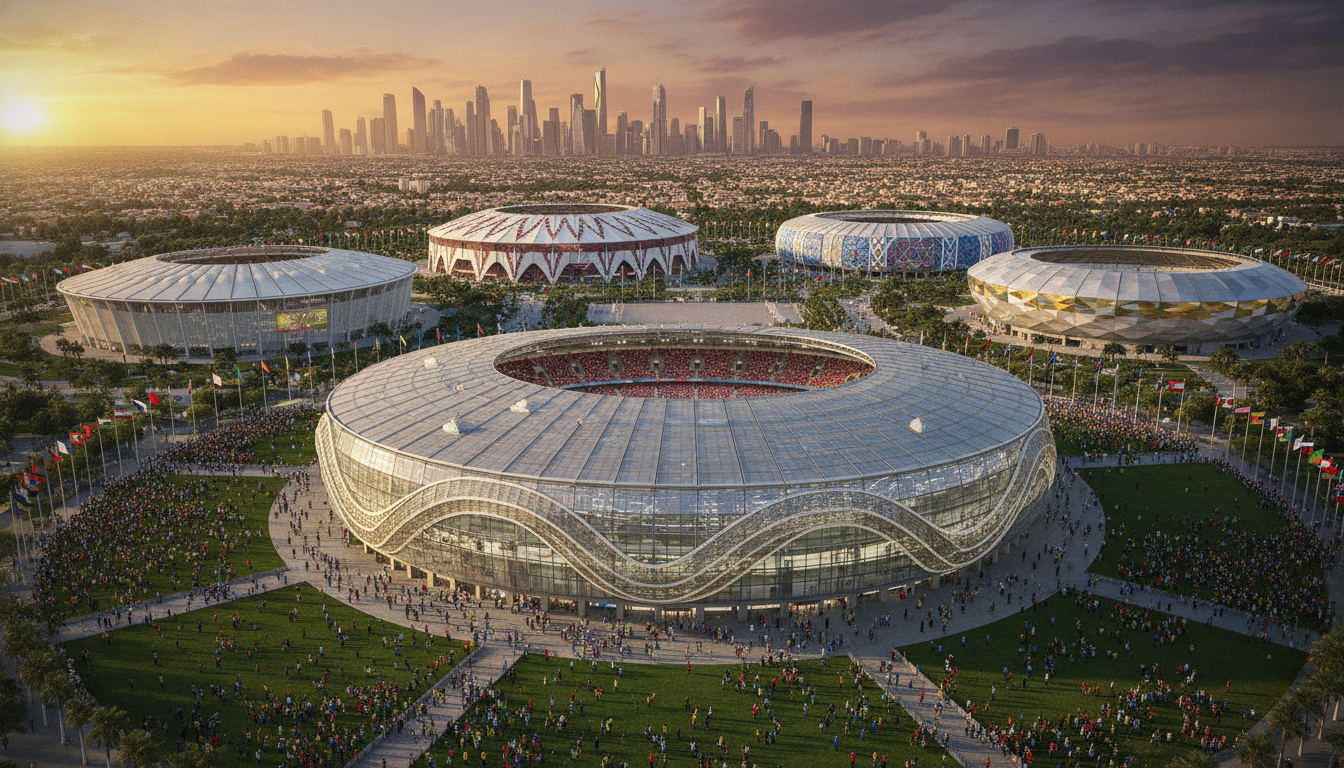

Football fans from all over the world share a common passion. As we look forward to international competitions, the stadiums become a key focus. They are a central focal point for both organizers and fans.
Argentina is ready for the upcoming excitement. They show a strong commitment to football’s growth. This mirrors a trend where countries invest in top-notch stadiums for the sport.
Exploring the design of these iconic stadiums is enlightening. Whether you’re a casual fan or a die-hard supporter, the evolution of these structures is captivating. Let’s explore the most impressive FIFA world Cup Stadiums 202 and their impact on global sports.
Key Takeaways
- Global interest in football infrastructure is reaching new heights.
- Argentina is actively preparing for the 2026 tournament excitement.
- Modern architecture plays a vital role in the fan experience.
- Stadium design influences how international competitions are hosted.
- Future venues are being built with sustainability and capacity in mind.
Introduction to FIFA World Cup Stadiums 2023
The FIFA world Cup Stadiums 202 are more than just buildings. They are the heart of the tournament. Millions of fans come to see history made in these places.
What Makes World Cup Stadiums Special?
What makes a stadium special? It’s the atmosphere, the design, and the excitement. These stadiums make the crowd’s roar unforgettable.
Several key factors make these venues unique:
- Unmatched Capacity: They can hold huge crowds, creating a lively atmosphere.
- Cutting-Edge Engineering: They have advanced roofs and climate control for comfort.
- Cultural Identity: They often show the host nation’s heritage and spirit.
- Global Connectivity: They have modern infrastructure, linking to the city.
A Brief History of FIFA World Cup Venues
The history of these stadiums is interesting. In the beginning, games were played on simple fields. As football grew, so did the need for bigger venues.
Now, the FIFA world Cup Stadiums 202 are amazing. They’ve changed from simple fields to big, complex places. Fans can see the effort put into these stadiums, where the world’s biggest football event happens.
The Host Country: Understanding Qatar’s Stadiums
When Qatar welcomed the world in 2022, it showed a mix of tradition and innovation. The nation invested a lot in infrastructure. This was to make sure the FIFA World Cup Stadiums 2022 were great for millions of fans.
This big project needed careful planning. It had to balance local culture with the needs of international sports.
Overview of Qatar as the Host Nation
Qatar had a clear vision for long-term development as a host. The country aimed to make the tournament footprint compact. This allowed fans to see many matches in one day.
This was a big plus for visitors from all over.
The host nation also focused on welcoming different cultures. Qatar made sure the FIFA World Cup Stadiums 2022 were easy to get to. This included public transport and fan zones.
This made the event welcoming to everyone. It showed the true spirit of the tournament.
Architectural Marvels: Stadium Designs in Qatar
The architects faced a big challenge: building in a harsh desert climate. They used cutting-edge cooling technology and smart design. This kept everyone comfortable.
These buildings are not just useful; they are also works of art. They celebrate the region’s history.
Designers mixed traditional looks with modern needs. Many FIFA World Cup Stadiums 2022 have designs inspired by local culture. These include woven patterns and nomadic tents.
Key features include:
- Advanced cooling systems to handle extreme heat.
- Modular seating that can change as needed.
- Intricate facades that show traditional Qatari craftsmanship.
- Sustainable materials to reduce carbon footprint.
These choices make the venues last long after the tournament. By focusing on versatility and cultural identity, Qatar set a new standard for stadium construction.
Notable Stadiums to Visit in Qatar
The stadiums in Qatar for the recent tournament mix old traditions with new tech. These places were the heart of the FIFA World Cup Stadiums 2022. They welcomed millions of fans from all over the world.
Lusail Iconic Stadium
The Lusail Iconic Stadium is the top spot of the tournament. It shows off big architectural dreams. With a seating capacity of nearly 89,000, it was buzzing during the final games.
Its design is inspired by traditional lanterns and light and shadow. It’s a breathtaking landmark that showed the FIFA World Cup Stadiums 2022’s grand scale to fans everywhere.
Al Bayt Stadium
Al Bayt Stadium has a unique look that celebrates the region’s heritage. It’s shaped like a traditional Bayt al sha’ar, a tent used by nomads in the Gulf.
This design makes the stadium feel warm and welcoming to visitors. It also has a retractable roof. This keeps everyone comfortable, no matter the weather, during the FIFA World Cup Stadiums 2022.
Education City Stadium
This stadium is in the heart of Qatar’s top universities. It’s known as the “Diamond in the Desert.” Its facade has intricate geometric patterns that shine when the sun hits it.
The stadium is surrounded by schools and universities. This creates a special link between sports and learning. It’s a modern marvel that shows how the FIFA World Cup Stadiums 2022 fit right into the local community.
Sustainability in Stadium Construction
The 2022 FIFA World Cup venues set new environmental standards. Engineers focused on long-term ecological health and the tournament’s immediate needs. This move is a big step forward for sports infrastructure worldwide.
Eco-Friendly Stadium Designs
One standout feature is the use of modular seating. This design lets parts of the stadium be taken apart and reused later. It helps reduce waste and keeps the structures useful after the event.
Advanced energy-efficient cooling systems also played a key role. They use solar power and new ventilation to keep temperatures right, even in tough climates. This shows that big venues can have a lower carbon footprint.
The Impact of Sustainability on Future Events
The 2022 FIFA World Cup venues are now a global example. Future host countries aim to follow these models. They want to combine grandeur with environmental responsibility.
By choosing sustainable materials and renewable energy, the sports world is setting a new standard. Eco-conscious construction is becoming essential for big events. This ensures football’s positive legacy for future generations.
Fan Experience at the World Cup Stadiums
Stepping into the stadium is where the magic happens. It’s not just about the game; it’s about the whole experience. Whether you’re new or a regular, the vibe is truly unforgettable.
Amenities Available for Spectators
Stadiums today focus on making fans comfortable. From the start, you’ll see how easy it is to move around. The 2022 FIFA World Cup venues show what top sports events should offer.
There’s a lot to enjoy during the game:
- High-speed connectivity to share your favorite moments instantly.
- Diverse food and beverage options featuring both international and local flavors.
- Accessible seating areas that ensure everyone has a perfect view of the pitch.
- Clean, modern restroom facilities located conveniently throughout the concourses.
- Dedicated help desks staffed by friendly volunteers ready to assist with any questions.
Local Culture and Community Events
The event goes beyond the stadium, with local traditions added in. Fans can check out the fan zones around the 2022 FIFA World Cup venues. These spots are cultural centers where fans from everywhere come together.
Community events are key to showing off the area’s heritage. You might see traditional music, local art, or games that tell the host country’s story. This cultural immersion brings everyone together, making fans feel like part of a global family.
Iconic Stadiums from Past World Cups
Before we look at the modern World Cup 2022 stadiums, let’s remember the historic venues. These legendary grounds are the heart of football. They connect past legends with future stars. Their design legacy shapes today’s stadiums.
Maracanã Stadium – Brazil
The Maracanã in Rio de Janeiro is a monumental symbol of football passion. It has hosted two World Cup finals, with unforgettable moments. Its massive bowl design sets a standard for today’s stadiums.
Wembley Stadium – England
The original Wembley was a football cathedral. The new Wembley is a modern marvel, but keeps the soul and prestige of the old. It shows a stadium is more than just a building; it’s where history is made.
Soccer City – South Africa
Soccer City, or FNB Stadium, is a design icon in African football. Its unique exterior, inspired by African pots, is striking. It shows bold, cultural architecture can leave a lasting legacy.
These historic grounds remind us that the game’s spirit never changes. By learning from them, we appreciate the innovation in World Cup 2022 stadiums. They inspire fans for generations.
Future of FIFA World Cup Stadiums
The legacy of World Cup 2022 stadiums is changing how we build for the future. Architects and engineers are learning from these experiences. They are now focusing on making stadiums that last, not just for the games.
Upcoming Developments Post-2023
The next stadiums will be all about being adaptable. They will have modular parts that can be changed or removed after the games. This way, they can be used for other sports and events, reducing waste.
Building stadiums that are good for the planet is also a priority. They will use green materials and energy. This shows that the innovative ideas from the World Cup 2022 are becoming the norm in sports architecture.
Trends in Stadium Design and Technology
Stadiums are becoming smarter and more connected. Fans will be able to get updates, order food, and find their way around with apps. This makes watching games better and helps stadium managers too.
Stadiums are also becoming community centers. They will have parks, shops, and public areas that are open all year. This makes the investment in stadiums worthwhile for the city and its people.
Famous Matches Played in Iconic Stadiums
Soccer stadiums for FIFA World Cup 2022 are more than just buildings. They are where legends are made and dreams come true. Fans have a special bond with the places where their favorite teams win.
Memorable Moments in World Cup History
The history of soccer is written on the fields of these legendary stadiums. Every goal and every save adds to the tournament’s rich story. Fans who see these moments live carry those memories forever.
Every match, from finals to group stage games, is filled with energy. The crowd’s cheers can change the game’s outcome. This makes soccer stadiums for FIFA World Cup 2022 unforgettable for fans worldwide.
Historic Upsets and Celebrations
Some of the most exciting moments in football came when the underdog won. These upsets often happen in the most famous stadiums, shocking fans. The joy of an unexpected win fills the stadium.
Celebrations after these wins are legendary, spreading from the stands to the streets. These moments define the sport’s legacy and keep the competition alive. We cherish these matches for the emotional connection fans share with these historic places.
The Role of Technology in Stadiums
Modern stadiums are now high-tech hubs that change how we watch sports. They use advanced digital tools to make sure every game is fun for millions. This was seen in the soccer stadiums for FIFA World Cup 2022, where tech was key.
Integrated Technology for Enhanced Experience
Stadiums now focus on keeping fans connected. They have fast Wi-Fi for thousands to share their excitement online. Seamless digital integration lets fans get live stats, order food, and find their way around with apps.
- High-speed connectivity for instant social sharing.
- Interactive mobile apps for personalized stadium navigation.
- Digital ticketing systems that reduce entry wait times.
- Real-time match data delivered directly to fan devices.
Safety and Security Measures
Technology is also key for safety. Advanced cameras use AI to watch crowds and move patterns live. This helps security teams spot and fix problems early.
The soccer stadiums for FIFA World Cup 2022 showed how to keep fans safe. They used smart tools and physical barriers to handle big crowds. This way, safety and fun go hand in hand.
How to Plan Your Visit to the 2023 World Cup
Seeing the world’s top football teams live is a dream for many fans. Planning well is key to make your trip smooth. Organize your travel early so you can enjoy the electric atmosphere of the games.
Buying Tickets and Packages
Getting your tickets is the first and most important step. Always use official ticketing platforms to avoid scams. Buying travel packages that include tickets and hotels can save you money.
These packages make planning easier. Book early because tickets sell out fast. Watch for official announcements to get tickets first.
Transportation Tips for Stadium-Hopping
Traveling between host cities needs a good plan. Public transport is usually the best option. Plan your routes before the tournament to avoid stress.
Here are some travel tips:
- Check local transit schedules before you go.
- Use shuttle services for tournament ticket holders.
- Plan for security checks and crowds near stadiums.
- Download offline maps for easy navigation.
Stay organized to move between matches easily. Enjoying the journey is as important as the games. Make time to explore local culture between matches.
Conclusion: A Journey Through Football History
Football leaves a lasting mark on every host nation. We’ve looked at the official stadiums for FIFA World Cup 2022. These venues are more than just buildings; they are the heart of football.
These arenas capture the emotion of every goal. They are where legends are born and memories are made. Reflecting on these stadiums reminds us of the power of football.
Keeping the Passion Alive
Your journey through football doesn’t end with the final whistle. Every tournament adds a new chapter to a story that spans generations. Keep the excitement alive as you look forward to future matches.
Share your favorite moments with fellow supporters. Whether you watch in person or at home, the magic of the game is universal. Stay ready for the next chapter of this beautiful sport.